
Date: May 26, 2026 | By Desert Safari Dubai
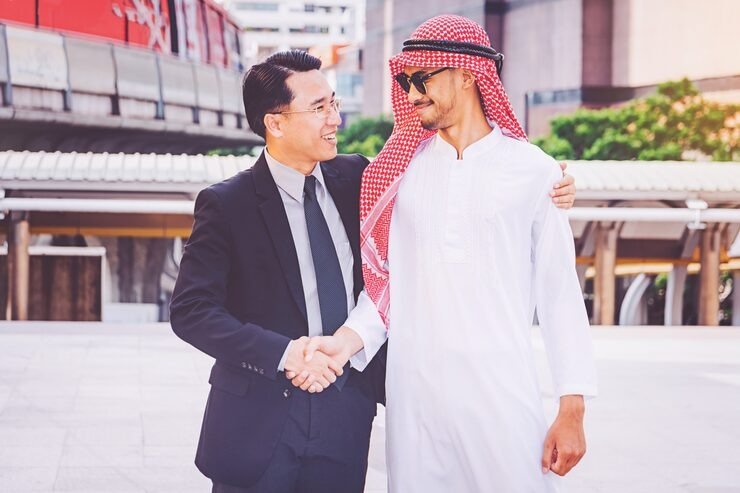
First impressions stick. And in Arabic culture, how you greet someone says everything about who you are. Whether you’re stepping off a plane in Dubai, browsing a souk, or sitting down for tea with Emirati hosts, the right Arabic greeting opens doors that money simply can’t.
Arabic greetings aren’t just words. They’re a window into one of the world’s richest cultures. Master even a handful of phrases and locals will light up. Genuinely.
This guide covers everything — from basic Arabic greetings to religious expressions, Emirati greeting customs, special occasion phrases, and how to introduce yourself properly. Let’s dive in.
Before anything else, learn this: As-salaamu alaykum.
It translates to “Peace be upon you” — and it’s the cornerstone of greetings in Arabic across every Arab country. Whether you’re in Dubai, Cairo, or Beirut, this phrase lands with warmth and respect every single time.
The proper response? Wa alaykum as-salam — “And upon you be peace.”
Don’t just memorize the phrase. Understand its weight. It’s a genuine wish for the other person’s well-being. Delivering it with a smile and steady eye contact makes all the difference.
“The greeting of As-salaamu alaykum isn’t just a hello — it’s an expression of goodwill that transcends language.”

Here’s your essential starter kit. These are the everyday Arabic words and phrases you’ll use constantly — especially when traveling in the UAE.
| Arabic Phrase | Transliteration | English Translation |
| السلام عليكم | As-salaamu alaykum | Peace be upon you |
| وعليكم السلام | Wa alaykum as-salam | And upon you be peace |
| مرحبا | Marhaba | Hello / Welcome |
| أهلاً وسهلاً | Ahlan wa sahlan | Welcome (warm) |
| صباح الخير | Sabah el Khair | Good morning |
| صباح النور | Sabah el Noor | Morning of light (response) |
| مساء الخير | Massa el Khair | Good evening |
| مساء النور | Massa el Noor | Evening of light (response) |
| كيف حالك؟ | Kaeef Halak (m) / Kaeef Halik (f) | How are you? |
| الحمد لله | Alhamdulillah | Praise be to God / I’m well |
| شكراً | Shukran | Thank you |
| شكراً جزيلاً | Shukran jazilan | Thank you very much |
| آسف | Asif | Sorry |
| نعم | Naam | Yes |
| لا | La | No |
| مع السلامة | Ma’a Salama | Goodbye |
| يلا | Yalla | Let’s go / Come on |
These Arabic greetings with English translations give you a practical, ready-to-use phrasebook — no app required.
Saying Sabah el Khair is something you’ll hear constantly across the UAE — in hotel lobbies, at tour desks, on desert safari mornings. It’s the most natural” good morning” greeting in Arabic that UAE locals use daily.
The expected response is Sabah el Noor — literally “a morning of light.” It’s poetic and beautiful. Locals genuinely appreciate it when visitors use it correctly.
Similarly, Massa el Khair means good evening. Respond with Massa el Noor. These time-based greetings show cultural awareness — something Emirati hosts notice and value deeply.
Not every situation calls for the same greeting. Here’s how to read the room:
When greeting in the UAE, always lean formal with strangers—even in a souk, opening with As-salaamu alaykum before negotiating sets the right tone instantly. It signals respect before a single word of business is exchanged.

Arabic isn’t one-size-fits-all. The Arabic spoken in Dubai differs from that spoken in Cairo, Beirut, and Casablanca. Here’s a quick breakdown:
| Region | Common Greeting | Notes |
| UAE / Gulf | As-salaamu alaykum, Hala | Very formal, deeply respectful |
| Egypt | Ahlan, Ezayak | Warm, expressive |
| Lebanon / Jordan | Marhaba, Kifak | Casual, Westernized influence |
| Morocco / Algeria | Labas, Salam | The Darija dialect is quite different |
For travelers visiting Dubai, focusing on Gulf Arabic — particularly Emirati greetings — is the smartest move. Emiratis are proud of their culture and genuinely touched when visitors make the effort.
Knowing a greeting is half the job. Knowing how to respond completes the conversation. Here’s how a typical Arabic greeting and response exchange flows naturally:
That brief exchange? It’s a full, respectful, culturally fluent conversation. Nail it,t and you’ve already made a strong impression.
Once the greetings land, introductions naturally follow. Here’s what to say:
Starting with As-salaamu alaykum, then smoothly moving into “Ismi [name], tasharrafna” — that’s a genuinely impressive introduction. Most tourists never get this far. You will.
Here’s something many tourists miss entirely. In Arabic-speaking cultures, religious phrases aren’t reserved for mosques. They’re woven into everyday speech — and understanding them helps you connect more meaningfully.
Means “In the name of God.” Arabs say this before starting any task — eating, driving, or beginning a journey. If your Emirati guide says it before your desert safari begins, it’s a blessing for the journey ahead.
Means “Praise be to God” or “Thank God.” Used constantly — as a response to “how are you?”, after finishing a meal, or when something goes well. It carries deep, sincere gratitude.
Means “God willing.” You’ll hear this everywhere in the UAE. It signals hope and genuine intention — not avoidance, as some assume. When someone says “We’ll meet tomorrow, inshallah” — they mean it sincerely.
Means “What God has willed” — used to express admiration or praise. See something beautiful? Say Mashallah. It’s warm, positive, and deeply appreciated across the Arab world.
A spoken, casual variation of Alhamdulillah — same meaning, more conversational. You’ll hear it in markets, cafés, and everyday chat throughout the Gulf.
These aren’t exclusively Islamic phrases. They’re cultural expressions that non-Muslims can and should use respectfully. Doing so signals genuine cultural respect in greetings — and people notice.
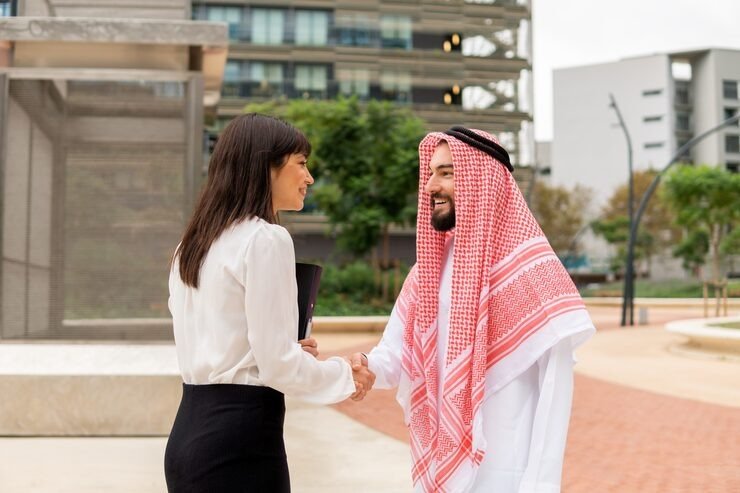
Gratitude matters enormously in Arab culture. Here’s how to express it with real impact:
Wondering how to say “thank you” properly in Dubai? When finishing a desert safari or leaving a restaurant, ShukranJazilann is your gold standard. It’s warm and polished, and it shows you actually care.
Arabic has beautiful phrases for life’s big moments. Here are the ones genuinely worth knowing:
The two Eids — Eid al-Fitr and Eid al-Adha — are the most significant celebrations in the Islamic calendar. If you’re in Dubai during either, these phrases will genuinely move people:
Hearing a tourist say Eid Mubarak with genuine warmth during the holiday? That’s a moment Emirati hosts don’t forget quickly.
Notice the gender-specific Arabic greetings — feek for males, feeki for females. Getting this right shows a level of care that genuinely impresses Arabic speakers.
The UAE has its own flavor of Arabic hospitality — and Emirati greetings reflect that beautifully. A few things that set them apart:
These aren’t rules to fear. Some nuances deepen your experience of Arabic culture and communication.
Small things carry enormous weight in Arabic culture. Here’s what actually works:
Making a good impression in Arabic isn’t about speaking fluently. It’s about showing up with respect, curiosity, and a willingness to try.
Planning a visit to Dubai? Here’s your quick-reference phrasebook for real situations:
These practical Arabic phrases for tourists make navigating Dubai smoother — and infinitely more enjoyable.
Speaking a few words of Arabic transforms a holiday into something genuinely memorable. But pairing that cultural knowledge with the right experience? That’s where things get truly special.
Sunset Evening Safari — operated by Sunset Dream Tourism LLC — has guided 10,000+ guests through Dubai’s iconic red dunes, Marina cruises, and city tours. Their expert local guides don’t just drive you through the desert. They share stories, explain customs, and bring Emirati culture to life in ways no guidebook can replicate.
Whether it’s an evening safari, a Dhow Cruise along Dubai Marina, or a VIP private desert experience — every tour is designed around authentic connection.
👉 Book your Dubai desert safari today and experience Arabic hospitality firsthand — with guides who live and breathe it.
As-salaamu alaykum — universally used across all Arab countries and by Muslims worldwide. It’s the single most important phrase any visitor can learn.
Naam means yes. In casual conversation, you’ll also hear “aiwa” — an informal alternative widely used across the Arab world.
Yalla means “let’s go” or “come on.” It’s energetic, casual, and used constantly in everyday Arabic conversation — especially across the UAE.
Not entirely. While core phrases like As-salaamu alaykum are universal, dialects and informal expressions vary noticeably by region. Gulf Arabic differs from Egyptian or Moroccan Arabic.
Shukran is standard—Shukran Jazilan adds warmth and emphasis. JazākAllāhu Khayrān — meaning “may God reward you” — conveys deeper spiritual gratitude and is widely used among Muslims.
Absolutely — when used respectfully and in context. Saying Alhamdulillah or Mashallah as a non-Muslim is seen as culturally aware and genuinely appreciated by Arabic speakers.
Start with As-salaamu alaykum for formal situations and Marhaba or Hala for casual ones. Always greet before asking anything — it’s the foundation of polite communication in Arabic culture.
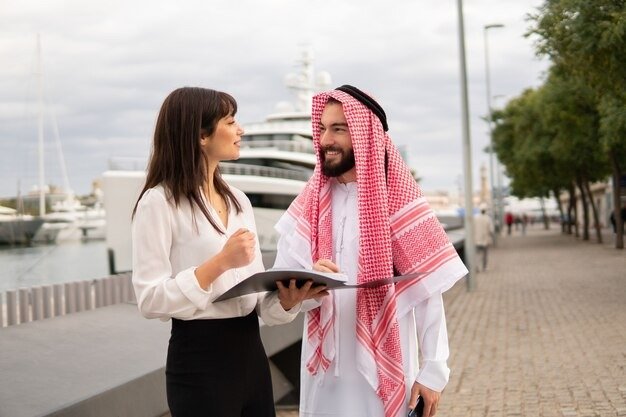
Learning Arabic greetings isn’t about perfection — it’s about intention. When you say Sabah el Khair to your hotel concierge, Shukran jazilan after a meal, or Eid Mubarak during the holidays, you’re doing something most tourists never bother with. You’re genuinely connecting.
Arabic is a language of warmth, poetry, and deep respect. Every phrase in this guide carries meaning beyond its literal translation. Use them, a nd you’ll find that doors — and hearts — open surprisingly easily.
And if you’re heading to Dubai, why not experience that warmth firsthand? Sunset Evening Safari pairs unforgettable desert adventures with guides who live and breathe Emirati culture. With a flawless 5.0 rating, zero safety incidents, and thousands of happy guests across evening safaris, Dhow Cruises, and city tours — they’re the team that makes Dubai feel like home.
👉 Explore tours and book your experience here — because some adventures are better lived than read about.