
Date: May 27, 2026 | By Desert Safari Dubai
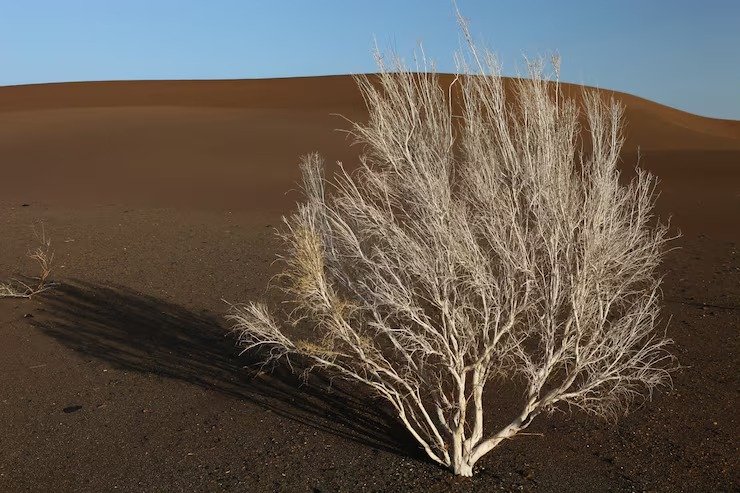
Most people picture Dubai as a city of skyscrapers, luxury malls, and golden dunes. But beyond that glittering skyline lies something genuinely extraordinary — a resilient, ancient world of native flora that has quietly thrived for thousands of years. Dubai’s desert ecosystem is far richer than it looks.
These aren’t just plants. They’re survivors. Each species tells a story of drought resistance, cultural identity, and ecological brilliance that shaped Emirati life long before the first tower was built.
النباتات الطبيعية في الامارات — the native plants of the UAE — represent millions of years of evolution in one of Earth’s most unforgiving climates.
Here’s a truth most visitors miss entirely: UAE biodiversity is remarkable. The Arabian Peninsula flora represents millions of years of climate adaptation — plants that figured out how to thrive where almost nothing else can.
Native plants of Dubai anchor dunes, feed wildlife, purify coastal waters, and carry deep cultural significance stretching back to Bedouin traditions. They’re not decorative. They’re foundational.
Understanding انواع النباتات الطبيعية في الامارات — the types of native plants across the Emirates — means understanding the UAE itself. From rocky wadis in Fujairah to the coastal sabkhas of Abu Dhabi, this biodiversity is breathtaking.
“The Ghaf tree doesn’t just survive the desert — it defines it.” — Emirates Nature-WWF.
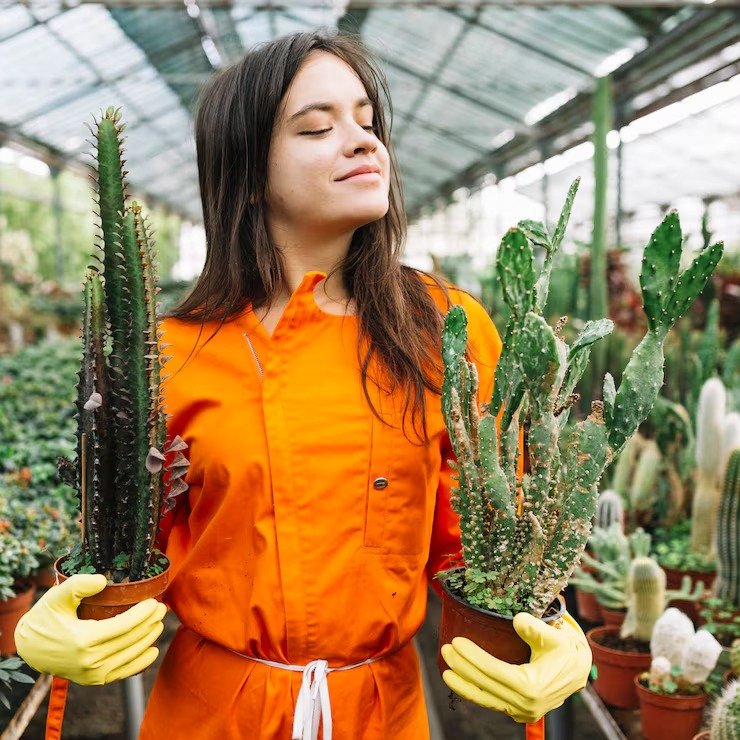
Before diving into specific species, it helps to understand what these plants are actually up against. Dubai’s hot desert climate is brutal by any measure.
| Climate Factor | Details |
| Average summer temperature | 41–45°C |
| Annual rainfall | Less than 100mm |
| Humidity (coastal areas) | Up to 90% in summer |
| Winter lows | Can drop to 10°C at night |
| Soil type | Sandy, saline, nutrient-poor |
The extreme temperature fluctuations between scorching days and cold desert nights create a genuinely hostile environment. Low moisture levels, scarce vegetation, and relentless summer heat make it a place where only the toughest species earn their spot.
Yet somehow, dozens of النباتات الصحراوية في الامارات — desert plants of the UAE — don’t just survive here. They flourish. That’s the real story.
If one plant defines the UAE, it’s the Ghaf tree. Declared the UAE’s national tree, it’s arguably the most ecologically significant plant on the Arabian Peninsula.
It fixes nitrogen into poor desert soils, provides shade for wildlife, and produces pods that Bedouin communities used as emergency food for camels during harsh seasons. Its deep root system — sometimes reaching 33 meters underground — taps into hidden water reserves that surface plants simply can’t access.
The Give a Ghaf initiative has planted millions of Ghaf trees across the country as part of broader biodiversity preservation efforts. It’s a living symbol of ecological resilience and Arabian heritage.
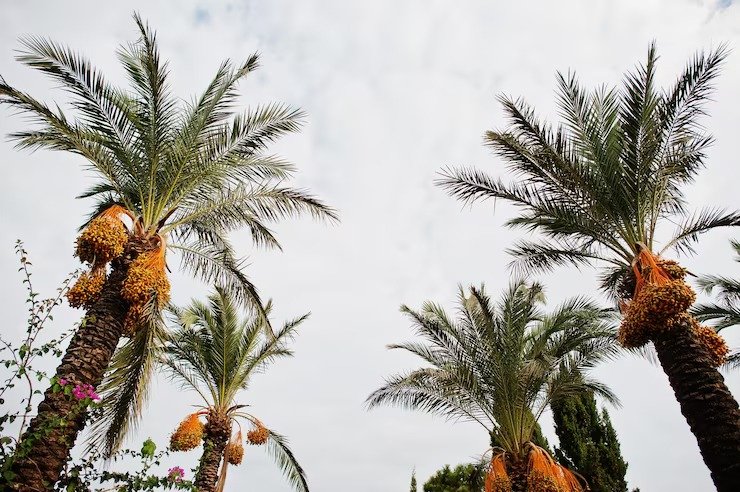
Few trees carry as much cultural weight as the Date Palm. This iconic desert palm tree has been cultivated in the UAE for over 5,000 years. Abu Dhabi alone has more than 40 million date palms — a genuinely staggering number.
Beyond fruit, every part serves a purpose—leaves for weaving, trunks for construction, and seeds ground for animal feed. Traditional agriculture in the Emirates was essentially built around this single tree.
Interestingly, date palm wood has inspired a rich tradition of wooden art in Dubai — artisans carving intricate decorative pieces from dried palm trunks and fronds that now sell across Dubai’s souks and design boutiques. It’s a beautiful example of cultural ecology meeting creative economy — and companies like Dina Home LLC stock palm-inspired wooden décor pieces that keep this heritage alive in modern Emirati interiors.
Today, UAE date palm cultivation blends ancient knowledge with modern drip irrigation technology to protect heritage varieties. It’s seed cultivation and agricultural innovation working hand in hand — a perfect example of the circular economy applied to desert farming.
Across the wadis of Fujairah and the rocky terrain near the Hajar Mountains, the twisted umbrella-shaped silhouette of Acacia arabica is unmistakable. These trees are champions of dune stabilization.
Acacias on the Arabian Peninsula directly support desert food chains. Birds nest in their thorny branches. Insects feed on their flowers. Gazelles browse their leaves.
Acacia gum has genuine medicinal uses too — its bark and resin have been used across Gulf communities for centuries to treat inflammation and digestive conditions. A true desert pharmacy tree.
The Sidr tree holds a uniquely sacred place in Islamic tradition and Emirati botanical heritage. It’s honey — from bees feeding on Sidr blossoms — commands remarkable prices at market and is considered among the finest in the world.
Medicinally, Sidr leaves feature in traditional remedies for skin conditions, hair care, and wound healing. You’ll find it growing naturally near Wadi Hayl and other low-lying areas where occasional water flow provides just enough moisture.
While not strictly native, the Tabebuia tree has become one of Dubai’s most beloved ornamental trees. Every spring, its explosion of pink and yellow blossoms transforms streets and parks across the city.
Landscape designers frequently incorporate Tabebuia into sustainable urban greening projects for its low water demand and spectacular visual impact. Desert Group Landscaping — one of Dubai’s most established green infrastructure firms operating under Desert Group LLC — regularly features Tabebuia alongside native species in large-scale commercial and residential landscape projects across the emirate. Their work, alongside firms like Desert Landscape Co LLC, demonstrates how thoughtful planting design can blend ornamental beauty with genuine ecological value.
It beautifully bridges the gap between native desert flora and modern desert landscape design.
Lesser known but ecologically vital, Tribulus Omanense is one of the UAE’s native flowering desert species. It hugs the ground, spreading across sandy plains with small yellow flowers that bloom after rare winter rains.
Its seeds feed small birds and rodents that, in turn, support larger predators. A quiet but essential thread in the desert food chain — and the recognized national flower of the UAE.
The dum dum plant (Calotropis procera) — also called Sodom’s Apple — is one of the most distinctive desert bush varieties found across the UAE coastal and inland zones. Its inflated, balloon-like seed pods are instantly recognizable. Toxic to most animals yet medicinally fascinating, it’s been used across traditional Arabian medicine for skin conditions and pain relief.
Don’t let its unusual appearance fool you. It plays a meaningful role in plants in UAE desert ecosystems — providing nectar for specialist insects and acting as a pioneer plant on disturbed sandy soils.
Pavonia Arabica — a shrubby flowering plant — and Grewia Tenax — a fruit-bearing shrub producing small edible berries — represent the lesser-celebrated side of النباتات في الامارات. Both thrive in rocky, moisture-deficient environments near Khor Fakkan and the Hajar Mountains.
Bedouin travelers historically ate Grewia Tenax fruit as a quick energy source. Small detail — but it illustrates how deeply plants in the Uthe AE desert environments were woven into daily Survival.
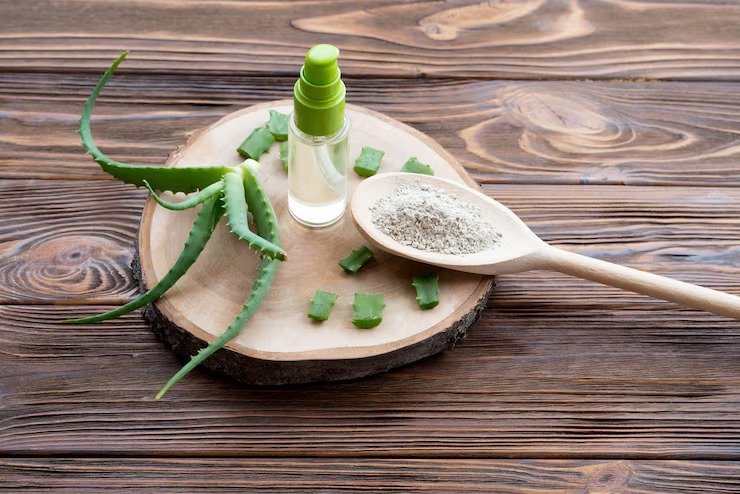
Wild Aloe Vera grows naturally across the arid regions of the UAE. Long before it became a global skincare staple, Bedouin communities used it as a medicinal plant for burns, sun exposure, and digestive health. It’s among the most climate-resilient houseplants on the planet — virtually indestructible in hot, arid climates and increasingly popular in Dubai homes and apartments.
Shift from inland desert to coastline, and the ecological story shifts dramatically. Avicennia marina — the Grey Mangrove — lines the shores of Abu Dhabi and parts of Dubai’s coastal zones.
النباتات الساحلية في الإمارات — UAE coastal plants — are engineering marvels. They filter saltwater, trap sediment, and create nursery habitats for Gulf marine species. A single hectare of mangroves sequesters up to four times as much carbon as a comparable tropical rainforest.
The full picture of انواع النبات الطبيعي في دولة الامارات includes several other fascinating species:
Even the mango tree deserves a mention here. While not native, mango trees in Dubai thrive in private gardens and agricultural plots — demonstrating how UAE horticulture successfully adapts fruit-bearing trees to desert conditions through smart irrigation systems.
The relationship between Emiratis and their native flora runs extraordinarily deep. This isn’t textbook botany — it’s lived cultural ecology.
| Plant | Cultural Use | Medicinal Use |
| Ghaf Tree | National symbol, livestock feed | Anti-inflammatory bark |
| Date Palm | Architecture, cuisine, trade | Digestive health, energy |
| Sidr Tree | Sacred in Islamic tradition | Skin care, wound healing |
| Aloe Vera | Popular house plant | Burns, sun exposure |
| Wild Rue | Incense, spiritual practice | Traditional remedies |
| Acacia arabica | Gum extraction, shade | Anti-inflammatory |
| Dum Dum Plant | Pioneer desert species | Pain relief, skin conditions |
This indigenous plant knowledge from Gulf communities represents a living archive. Rapid urbanization threatens to sever younger generations from these traditions — making botanical guides, documentation, and environmental awareness programs genuinely urgent.
The threats facing النبات الطبيعي في الامارات are real and multiplying. Urban sprawl, failures in invasive species control, groundwater depletion, and shifting climate patterns all chip away at desert plant biodiversity.
Fortunately, serious institutional muscle backs conservation today.
The environmental economic value of these plants — through carbon sequestration, soil stabilization, and coastal protection — runs into billions of dirhams annually. That’s the circular economy argument for conservation: protecting native plants isn’t just ecologically right. It’s economically smart.
Endangered species requiring active protection include Gymnarrhena micrantha and wild olive populations near Jebel Qitab.
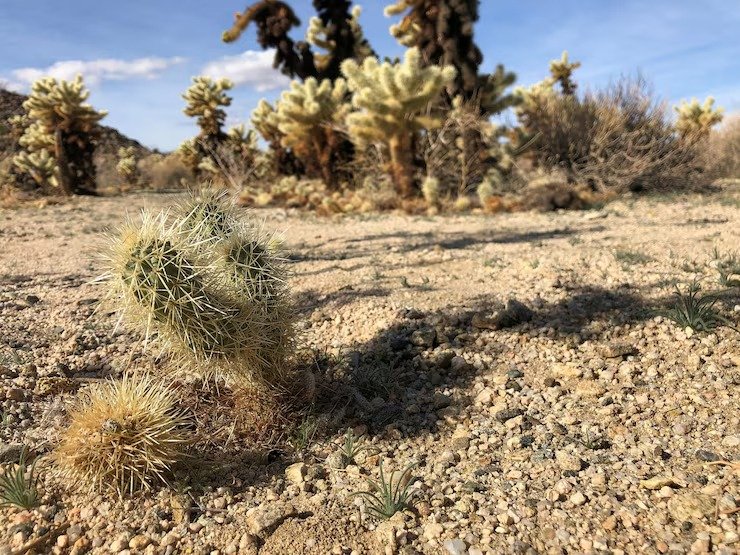
Here’s where ancient ecology meets modern living. Xeriscaping in the UAE — designing gardens around drought-resistant native species — is gaining real momentum across Dubai and Abu Dhabi.
| Plant | Water Need | Best Use |
| Ghaf Tree | Very Low | Shade tree, focal point |
| Tribulus Omanense | Very Low | Ground cover |
| Pavonia Arabica | Low | Flowering shrub border |
| Aloe Vera | Very Low | Container or rockery |
| Grewia Tenax | Low | Wildlife-friendly hedge |
| Tabebuia Tree | Low-Medium | Street or garden feature |
| Dum Dum Plant | Very Low | Coastal or sandy borders |
Pair these with Responsive Drip Irrigation (RDI) — a smart irrigation system delivering water directly to root zones based on real-time soil moisture data — and you dramatically slash water consumption. Add fertigation reduction techniques that deliver nutrients through irrigation lines, and you’ve got a genuinely complete water efficiency system.
For sourcing authentic native species, Dubai’s Plant Souk remains the best starting point. Local nurseries there stock genuine desert plants in the UAE alongside adapted ornamental varieties. Specialist suppliers like Sonya Plants & Flowers LLC offer high-quality native and adapted plant stock for both home gardens and commercial landscape projects.
Whether you’re a homeowner pursuing sustainable desert landscaping or a developer working with Desert Group Dubai on large-scale projects, native plants deliver unmatched results with minimal resource input.
Now here’s an interesting question some homeowners ask: What about artificial trees in Dubai? Fake palms and synthetic desert plants are increasingly used in indoor commercial spaces, hotel lobbies, and shaded courtyards where live planting isn’t practical. They don’t replace the ecological value of real native plants — but they do serve a design purpose in spaces where live planting isn’t viable. The contrast actually highlights just how irreplaceable real UAE native plants are in terms of genuine ecosystem contribution.
For anyone wanting a fast botanical reference, here’s a consolidated list of trees in the UAE with names across different habitat zones:
| Tree Name | Scientific Name | Habitat Zone |
| Ghaf Tree | Prosopis cineraria | Sandy desert plains |
| Date Palm | Phoenix dactylifera | Oases, cultivated areas |
| Acacia | Acacia arabica | Wadis, rocky terrain |
| Sidr / Lote Tree | Ziziphus spina-christi | Low-lying valleys |
| Mangrove | Avicennia marina | Coastal zones |
| Wild Olive | Olea europaea | Mountain highlands |
| Tabebuia | Tabebuia spp. | Urban parks, roadsides |
| Mango Tree | Mangifera indica | Private gardens, farms |
This covers the core UAE plants and trees that any botanical guide to the region should include — from true natives to long-established cultivated species.
Understanding native plants of Dubai genuinely enriches every desert experience. When you spot a lone Ghaf tree casting shade across red dunes at sunset, you’re witnessing thousands of years of ecological resilience in a single frame.
Sunset Evening Safari brings this story to life. Expert local guides share genuine insights into desert flora, Bedouin heritage, and the ecological narrative unfolding across Dubai’s iconic dunes. Every evening safari, morning excursion, and overnight camp becomes a lesson in how this remarkable landscape works — and why it matters.
With 10,000+ happy guests, a flawless safety record, and guides who genuinely love this terrain, Sunset Evening Safari is Dubai’s most trusted desert experience operator.
👉 Ready to see Dubai’s native desert plants up close? Book your desert safari with Sunset Evening Safari and connect with the landscape that inspired a nation.
What is the national plant of the UAE?
The Ghaf tree (Prosopis cineraria) is the UAE’s national tree. Tribulus Omanense is recognized as the national flower of the UAE.
What are the most common trees in the UAE with names?
The Ghaf tree, Date Palm, Acacia arabica, Sidr tree, Tabebuia, and Avicennia marina mangrove are among the most widespread trees in the UAE.
How do plants survive in the UAE desert climate?
Through drought resistance mechanisms — deep root systems, water-storing tissues, small waxy leaves minimizing moisture loss, and dormancy cycles triggered by rare rainfall events.
Are there endangered plant species in Dubai?
Yes. Gymnarrhena micrantha and wild olive populations near Jebel Qitab face serious pressure from habitat loss and climate stress.
What is the ecological importance of native plants in Dubai?
They stabilize dunes, support wildlife habitats, sequester carbon, purify coastal water through mangroves, and maintain desert food chains.
Can I find native UAE plants at the Plant Souk?
Absolutely. Dubai’s Plant Souk stocks a wide range of native plants in the UAE, as well as ornamental and adapted species suitable for home gardens.
What is the dum dum plant?
The dum dum plant (Calotropis procera) is a native desert bush found across the UAE coastal and inland zones. It’s a pioneer species on sandy soils and carries traditional medicinal significance across Arabian communities.
What is the role of Responsive Drip Irrigation in growing desert plants?
RDI delivers water precisely to root zones using real-time soil moisture data — dramatically cutting water use while supporting healthy plant growth. It’s the backbone of modern sustainable desert landscaping.
Dubai’s native plants aren’t a footnote in the UAE’s story — they’re the opening chapter. From the towering Ghaf tree symbolizing national identity to Tribulus Omanense pushing through sandy plains after winter rain, these species represent Survival, culture, and ecological brilliance in equal measure.
Conservation programs like the Gheras Program and Give a Ghaf, combined with smart technology like Responsive Drip Irrigation, actively safeguard this heritage for future generations. The UAE Ministry of Climate Change and Environment continues to protect and restore species and ecosystems with genuine urgency — recognizing that the environmental economy built on healthy native flora is irreplaceable.
The best way to truly appreciate النباتات في الامارات — the plants of the Emirates — is to experience the landscape directly.
Sunset Evening Safari makes that possible. With expert guides, zero safety incidents, and a track record built on 10,000+ unforgettable guest experiences, it’s the most trusted way to explore the terrain where these remarkable UAE native plants quietly do their extraordinary work.
👉 Don’t just read about Dubai’s desert — live it. Explore Sunset Evening Safari’s full range of desert experiences and book your adventure today.