
Date: May 25, 2026 | By Desert Safari Dubai
Few places on earth stop you in your tracks quite like the Dubai Desert Conservation Reserve. One moment, you’re in one of the world’s most futuristic cities. Next, you’re watching an Arabian oryx graze against a canvas of endless golden dunes. That contrast — raw, ancient wilderness sitting beside modern Dubai — is what makes the DDCR genuinely special.
This guide covers everything you need to know: history, wildlife, conservation efforts, visitor experiences, and practical tips. Whether you’re planning a trip or simply curious about this remarkable Dubai conservation area, you’re in the right place.
The Dubai Desert Conservation Reserve — known locally as محمية دبي الصحراوية — is the UAE’s first and largest protected natural habitat. Spanning roughly 225 square kilometers, it covers about 5% of Dubai’s total land area. That’s a serious chunk of protected desert.
Established in 2002, the desert conservation reserve sits northeast of Dubai city, acting as a living shield against urban sprawl. It isn’t just a pretty backdrop. It’s a fully functioning, government-protected desert reserve — a government-backed conservation project designed to restore and protect the UAE’s unique biodiversity that urban development had pushed to the brink.
Think of it as Dubai’s green lung. Except instead of trees, it breathes sand, silence, and wildlife.
The story behind the Dubai Conservation Reserve begins with vision — specifically, the vision of the UAE’s royal family.
Sheik Ahmed bin Saeed Al Maktoum played a pivotal role in championing the establishment of the reserve. The goal was straightforward: reverse the damage done to native desert ecosystems and give endangered species a fighting chance. The Dubai Government, working alongside the Ministry of Climate Change and Environment, designated the area as a protected zone — making it illegal to hunt, develop, or disturb wildlife within its boundaries.
Before the reserve existed, the Arabian oryx had essentially vanished from the wild in the UAE. Habitat destruction and poaching had devastated populations across the Arabian Peninsula. The creation of the DDCR changed that trajectory entirely.
“Conservation isn’t about locking nature away. It’s about giving it room to breathe again.”
This royal family conservation endorsement gave the project both funding and authority. Since its inception, the reserve has evolved from a simple protected zone into a globally recognized model of sustainable tourism development and biodiversity conservation. Today, it balances controlled wildlife environments with carefully managed visitor access — proving that tourism and conservation don’t have to be enemies.
This is where the Dubai Desert Conservation Reserve truly earns its reputation. The sheer variety of Arabian desert wildlife within these boundaries surprises most visitors.
| Species | Status | Notable Fact |
| Arabian Oryx | Recovered | Once extinct in the wild, now thriving here |
| Sand Fox | Stable | Brilliantly adapted to arid heat |
| Desert Runner | Native | One of the UAE’s fastest reptiles |
| Sindh Saw-scaled Viper | Present | Camouflaged desert reptile; rarely seen |
| Gazelle | Growing | Population actively monitored |
| Desert Lizard species | Diverse | Masters of arid climate wildlife Survival |
Arabian oryx conservation stands as the reserve’s greatest success story. From near-total extinction, the oryx population has grown steadily under carefully managed programs that track population growth. Watching a herd of oryx move silently across the dunes at dawn is — frankly — unforgettable.
The sand fox is equally captivating. Smaller than you’d expect, with oversized ears that regulate body heat, this creature embodies desert adaptation perfectly. Spot one at dusk, and you’ll understand why wildlife photographers make special trips here.
Don’t overlook the reptiles. The Sindh Saw-scaled Viper is one of several camouflaged desert reptiles that call the DDCR home. You probably won’t see one — they’re experts at hiding — but knowing they’re there adds a certain thrill to every dune walk. The Desert Runner is far easier to spot, darting between rocks with remarkable speed. It’s one of the UAE’s most fascinating desert reptile species and a firm favorite among nature guides.
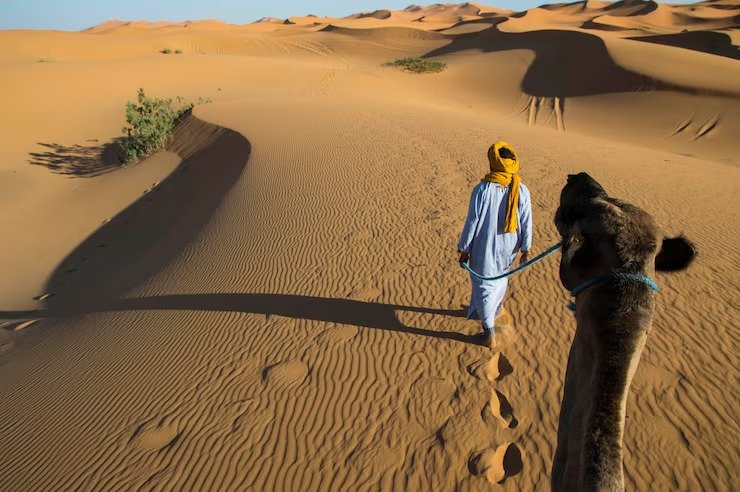
Desert flora species diversity here defies expectations. The reserve supports:
Preservation of native flora and fauna underpins everything the DDCR does. Without healthy vegetation, the entire food chain collapses. The reserve’s team conducts regular vegetation assessments and documentation of flora and fauna to track ecosystem health year on year.
The DDCR isn’t passive about protection. It’s one of the most actively managed conservation-based research programs in the Middle East.
Habitat protection strategies here are multilayered:
The Ministry of Climate Change and Environment oversees government-backed environmental monitoring across the site and publishes annual biodiversity reports that feed into broader UAE environmental policy. This isn’t window dressing — it’s genuine controlled ecological research with real-world outcomes.
The reserve collaborates with conservation research institutions, UAE-wide and internationally. Biodiversity field studies run throughout the year, covering everything from gazelle population trends in the UAE to desert reptile species distribution mapping.
Open-access conservation reports produced here have influenced wildlife policy across the Gulf. That’s the kind of authority that makes the DDCR more than just a tourist attraction — it’s a living laboratory for endangered species recovery and a beacon for environmental awareness initiatives across the region.
Here’s where things get exciting. The DDCR Visitor Center serves as your gateway into the reserve — knowledgeable staff, interactive displays, and expert guides who genuinely love what they do.
Desert safari Dubai experiences inside the DDCR differ fundamentally from standard dune-bashing trips. These are wildlife observation experiences in desert reserves — slow, purposeful, and deeply rewarding.
4×4 guided tours take you deep into the reserve at dawn or dusk, when animals are most active—your guide — typically a trained naturalist — spots wildlife you’d completely miss on your own. Operators like Arabian Adventures offer licensed access into the reserve, combining adventure tourism in the Dubai desert with genuine ecological education. Their guides know these dunes intimately.
For those wanting something more thrilling, dune drives and sunset desert safari experiences deliver that adrenaline hit without compromising the reserve’s conservation integrity.
Overnight desert camping in Dubai doesn’t get more authentic than this. The Desert Gate Camp sits at the threshold of the reserve — a purpose-built base offering Bedouin-style desert camp experiences that blend cultural immersion with genuine access to the wilderness.
Night camping under desert stars here is transformative. No light pollution. No city hum. Just silence, sand, and a sky absolutely packed with stars. Guests consistently describe it as the highlight of their entire UAE trip.
The Overnight Desert Experience typically includes:
Eco tourism desert experiences at this level are rare. The Desert Gate Camp and similar Bedouin-style desert camp setups strike that balance between comfort and authenticity that most travelers crave.
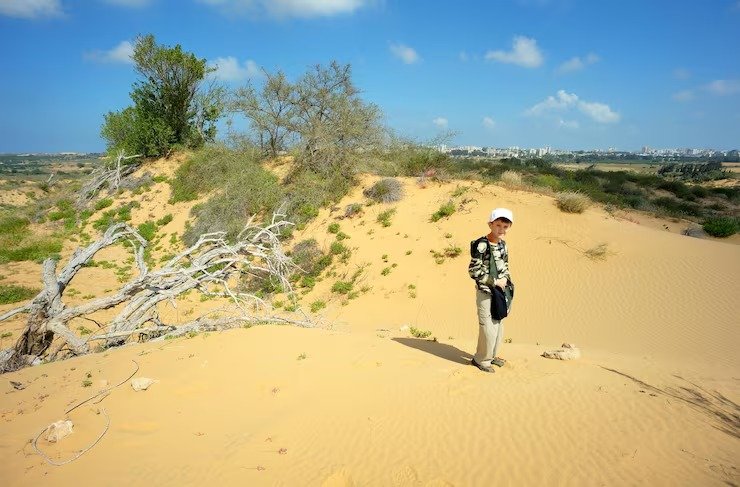
Camel-ride desert tours connect visitors to the cultural heritage of the Arabian Peninsula in a way no museum ever could. These aren’t gimmicky tourist rides — they’re slow, meditative journeys through ancient landscape.
Falconry demonstrations add another layer of authentic Bedouin lifestyle experience. The UAE takes falconry seriously — it’s UNESCO-listed as an intangible cultural heritage. Watching a trained falcon return to its handler against a desert backdrop is genuinely spine-tingling.
Al Maha Collection operates within the reserve, offering luxury desert suites with private pools that are genuinely world-class. Waking up to an Arabian oryx wandering past your private terrace is the kind of thing you’ll tell people about for years.
For those seeking a luxury wilderness retreat Dubai-style, this is as good as it gets. Eco luxury tourism experience meets five-star comfort — without compromising the reserve’s conservation integrity.
You don’t need to figure this out alone. Sunset Evening Safari — operated by Sunset Dream Tourism LLC — takes care of every detail.
With 10,000+ happy guests, a flawless 5.0 rating, and a zero-safety-incident record, they’re Dubai’s most trusted operator for desert safari tours, overnight desert camping, and immersive nature tourism experiences in the UAE. Expert local guides bring the desert alive — pointing out wildlife, sharing Bedouin stories, and tailoring every experience to your group.
Solo traveler, family after family-friendly desert excursions, or a private group wanting a full VIP luxury eco-lodging package — they’ve got you covered.
👉 Book your desert adventure today — and discover why thousands of visitors trust Sunset Evening Safari every single year.
| Option | Details |
| Self-drive | Exit 65 off Sheik Mohammed Bin Zayed Road |
| Organised tour | Hotel pick-ups are included with most operators |
| GPS coordinates | 24°54’N, 55°24’E |
| Distance from Dubai center | Approximately 45 kilometres |
| Season | Experience |
| October – March | Ideal — mild temperatures, maximum wildlife activity |
| April – May | Warm but manageable in early mornings |
| June – September | Extreme heat — limited activities available |
The ecological balance in desert environments is fragile. Every visitor carries a responsibility to protect it.
Ecotourism only works when visitors take these responsibilities seriously. The DDCR’s success as a protected natural habitat depends entirely on it.

What are the visiting hours and entry fees for the DDCR?
The reserve is accessible via licensed tour operators. Independent access is restricted to protect wildlife. Most organized tours depart between 6–8 AM or 3–5 PM.
Is the DDCR suitable for families and children?
Absolutely. Educational desert tours and family-friendly desert excursions are specifically designed for mixed-age groups. Children particularly love the falconry demonstrations and camel rides.
Can schools and educational institutions organize trips?
Yes. Student educational safari programs and educational wildlife programs UAE-wide are actively encouraged. Contact the DDCR Visitor Center directly for group bookings and tailored itineraries.
What’s the difference between a standard desert safari and a DDCR visit?
Standard safaris focus on dune thrills. A DDCR visit prioritizes wildlife observation in desert reserve settings — far more ecologically immersive and educationally rich.
What are the biggest challenges the reserve currently faces?
Climate change, urban encroachment, and the management of tourism pressure on fragile ecosystems remain the primary concerns for ongoing ecosystem preservation efforts across the site.
The Dubai Desert Conservation Reserve is living proof that development and conservation can coexist. It’s given the Arabian oryx a second chance. It preserves the UAE’s native biodiversity that would otherwise have disappeared entirely. And it offers visitors a peaceful desert escape that no skyscraper or shopping mall ever could.
This is Dubai stripped back to its essence — raw, beautiful, and utterly humbling. Don’t just visit Dubai for the architecture. Come for the silence of the dunes at dawn, the oryx grazing at golden hour, and a night sky you can genuinely get lost in.
Sunset Evening Safari is your perfect partner for making that happen. With expert guides, a trusted reputation, and experiences built around a genuine passion for this extraordinary landscape, they make every visit to the Dubai Conservation Reserve seamless, safe, and truly unforgettable.
👉 Start planning your DDCR experience today — the desert is waiting, and it won’t disappoint.